EN
 SP
 FR

- Home
- About Us
- Products
- Service
- Project
- News
- Contact Us
Pulished on Jul. 05, 2023
When it comes to temporary fencing, there are many options available on the market. In this article, we will compare Canadian Temporary Fences to other types of temporary fences to help you make an informed decision based on your specific needs.

Canadian Temporary Fences are a popular choice for construction sites, events, and other temporary applications. They are made from high-quality materials and are designed to be durable, secure, and easy to install. Some of the key benefits of Canadian Temporary Fences include:

Durability: Canadian Temporary Fences are made from high-quality materials, such as galvanized steel and sturdy mesh, that are designed to withstand harsh weather conditions and heavy use.
Security: Canadian Temporary Fences are designed to provide a high level of security, with features such as anti-climb mesh and lockable gates.
Easy Installation: Canadian Temporary Fences are easy to install and can be quickly and easily assembled and disassembled.
Versatility: Canadian Temporary Fences can be used in a wide range of applications, from construction sites to events to temporary barriers.

In comparison, other types of temporary fences may not offer the same level of durability, security, and versatility as Canadian Temporary Fences. For example, chain-link fences are a common alternative to Canadian Temporary Fences, but they are often less secure and can be difficult to install. Plastic mesh fences are another option, but they may not be as durable or secure as Canadian Temporary Fences.

Ultimately, the choice between Canadian Temporary Fences and other types of temporary fences depends on your specific needs and requirements. Consider factors such as security, durability, ease of installation, and cost when making your decision. It may also be helpful to consult with a professional fencing contractor who can provide guidance and recommendations based on your specific situation.
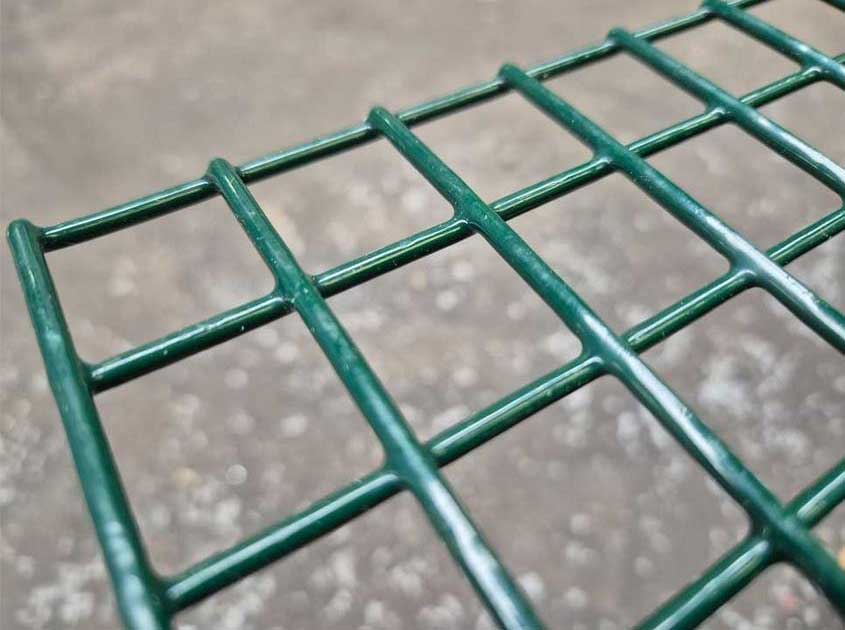
How to Select the Right Wire Diameter for Welded Wire Fence? A Practical Buyer’s Guide
Pulished on Nov. 18, 2026
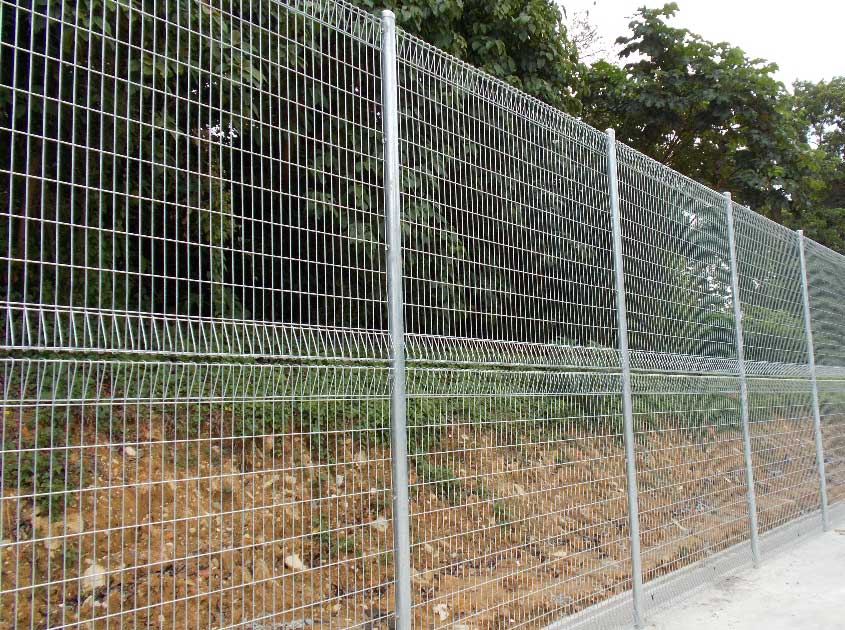
What Mesh Size Is Best for Welded Wire Fence? A Practical Selection Guide
Pulished on Nov. 09, 2026
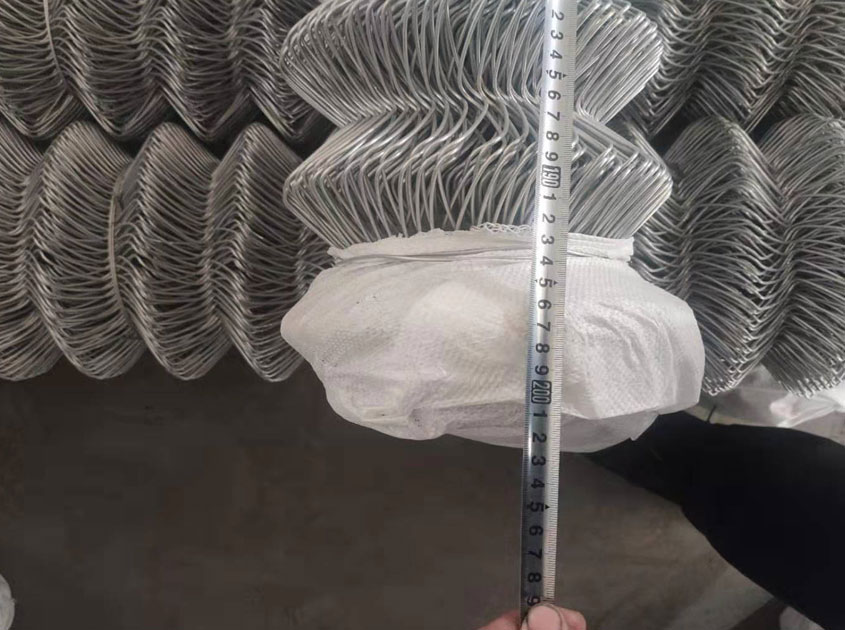
How Much Does Chain Link Fence Cost? A Complete Guide to Material Prices, Shipping and Project Costs
Pulished on Oct. 27, 2026
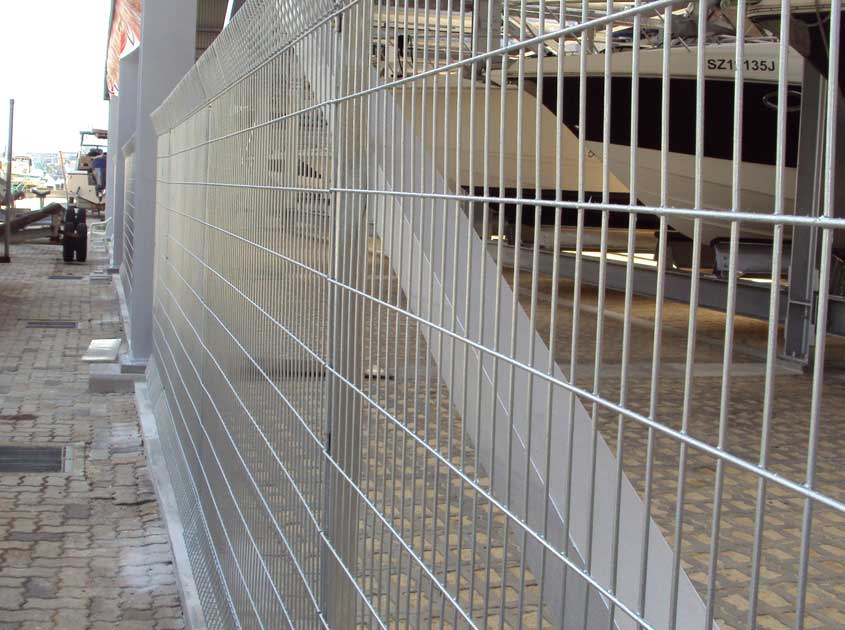
How to Install a Welded Wire Fence: A Step-by-Step Guide for Contractors
Pulished on Oct. 23, 2026
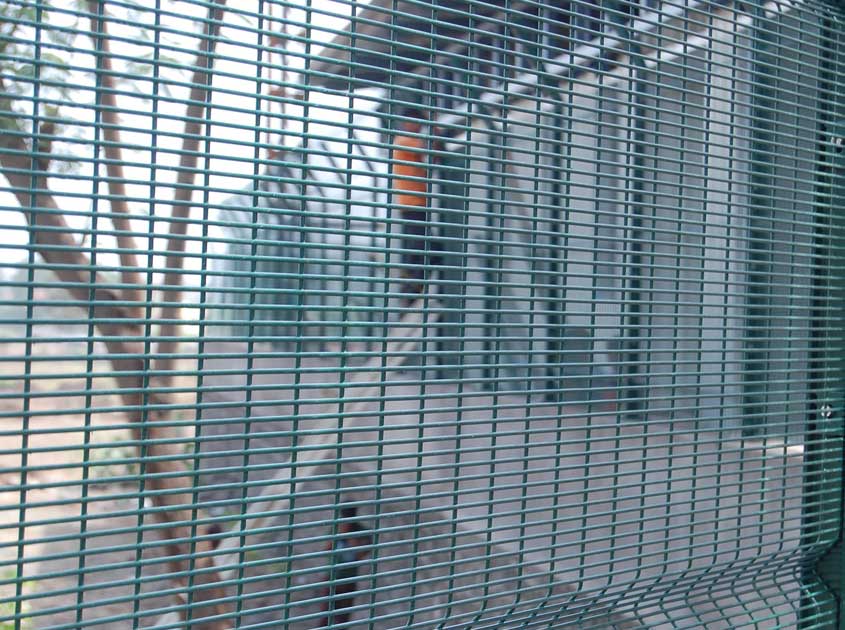
358 Fence vs Welded Wire Fence: Which Is Better for Your Project?
Pulished on Oct. 20, 2026

What Are the Advantages of Chain Link Fence? 8 Benefits for Commercial and Industrial Projects
Pulished on Oct. 16, 2026
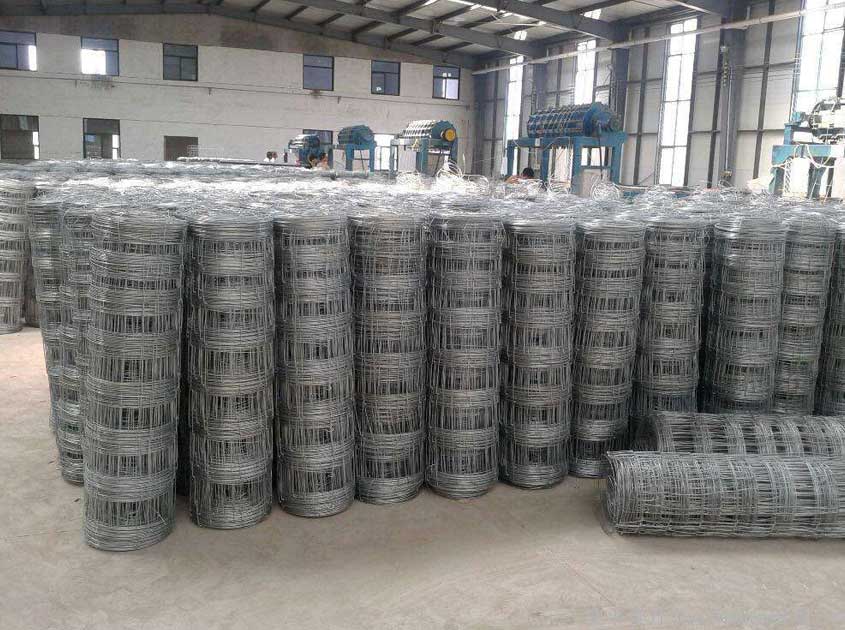
How to Choose Farm Fence for Cattle and Horses: Wire, Height and Design Guide
Pulished on Sep. 23, 2026
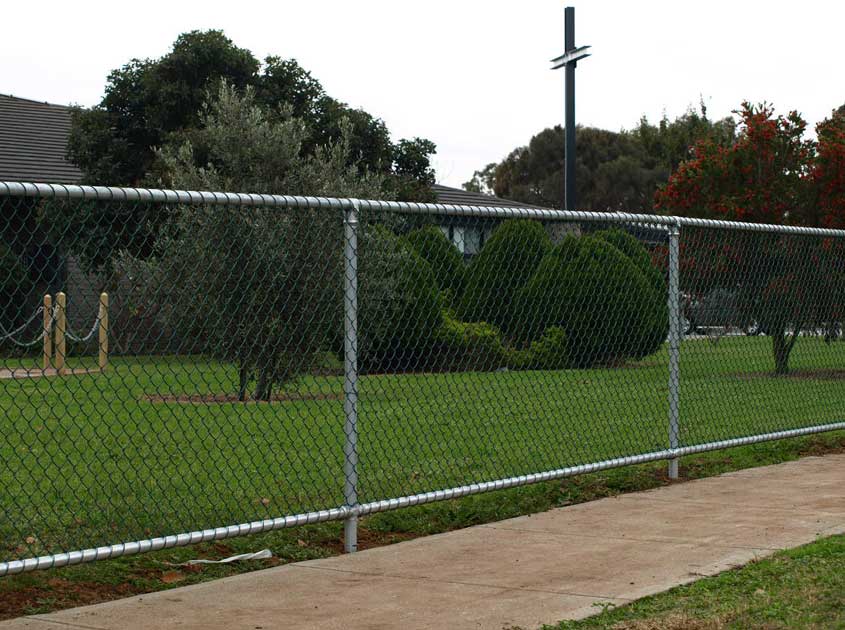
How Is Chain Link Fence Made? Manufacturing Process and Components
Pulished on Sep. 18, 2026
How to Select the Right Wire Diameter for Welded Wire Fence? A Practical Buyer’s Guide
Pulished on Nov. 18, 2026
What Mesh Size Is Best for Welded Wire Fence? A Practical Selection Guide
Pulished on Nov. 09, 2026
How Much Does Chain Link Fence Cost? A Complete Guide to Material Prices, Shipping and Project Costs
Pulished on Oct. 27, 2026
How to Install a Welded Wire Fence: A Step-by-Step Guide for Contractors
Pulished on Oct. 23, 2026
358 Fence vs Welded Wire Fence: Which Is Better for Your Project?
Pulished on Oct. 20, 2026
What Are the Advantages of Chain Link Fence? 8 Benefits for Commercial and Industrial Projects
Pulished on Oct. 16, 2026
How to Choose Farm Fence for Cattle and Horses: Wire, Height and Design Guide
Pulished on Sep. 23, 2026
How Is Chain Link Fence Made? Manufacturing Process and Components
Pulished on Sep. 18, 2026